Birthstones by Month: The Modern List, Alternatives and Care
The modern US birthstone for every month, with alternates, Mohs hardness and a care note for each stone, plus how the list began in 1912 and changed since.
The modern US birthstones are garnet (January), amethyst (February), aquamarine (March), diamond (April), emerald (May), pearl (June), ruby (July), peridot (August), sapphire (September), opal (October), topaz (November) and turquoise (December). Several months also have official alternates, such as alexandrite and moonstone for June, spinel for August and tanzanite for December. The stones vary widely in hardness, from pearl at 2.5 to diamond at 10, so care advice differs month to month.
The modern list at a glance
The list below follows the American Gem Society’s birthstone chart, which matches GIA’s birthstone pages except that AGS also lists sardonyx for August. Hardness figures and care notes come from GIA’s month-by-month birthstone guides.
| Month | Birthstones | Mohs hardness (GIA) | Care in one line |
|---|---|---|---|
| January | Garnet | 6.5 to 7.5 | Warm soapy water; ultrasonic usually fine unless fractured or filled; no steam |
| February | Amethyst | 7 | Mild soap and a soft brush; no steam; long strong sunlight can fade it |
| March | Aquamarine | 7.5 to 8 | Soapy water; ultrasonic and steam usually safe without fractures or liquid inclusions |
| March | Bloodstone | 6.5 to 7 | Warm soapy water; keep from harsh chemicals and high heat |
| April | Diamond | 10 | Ultrasonic usually safe; use soap and a soft brush if heavily included or treated |
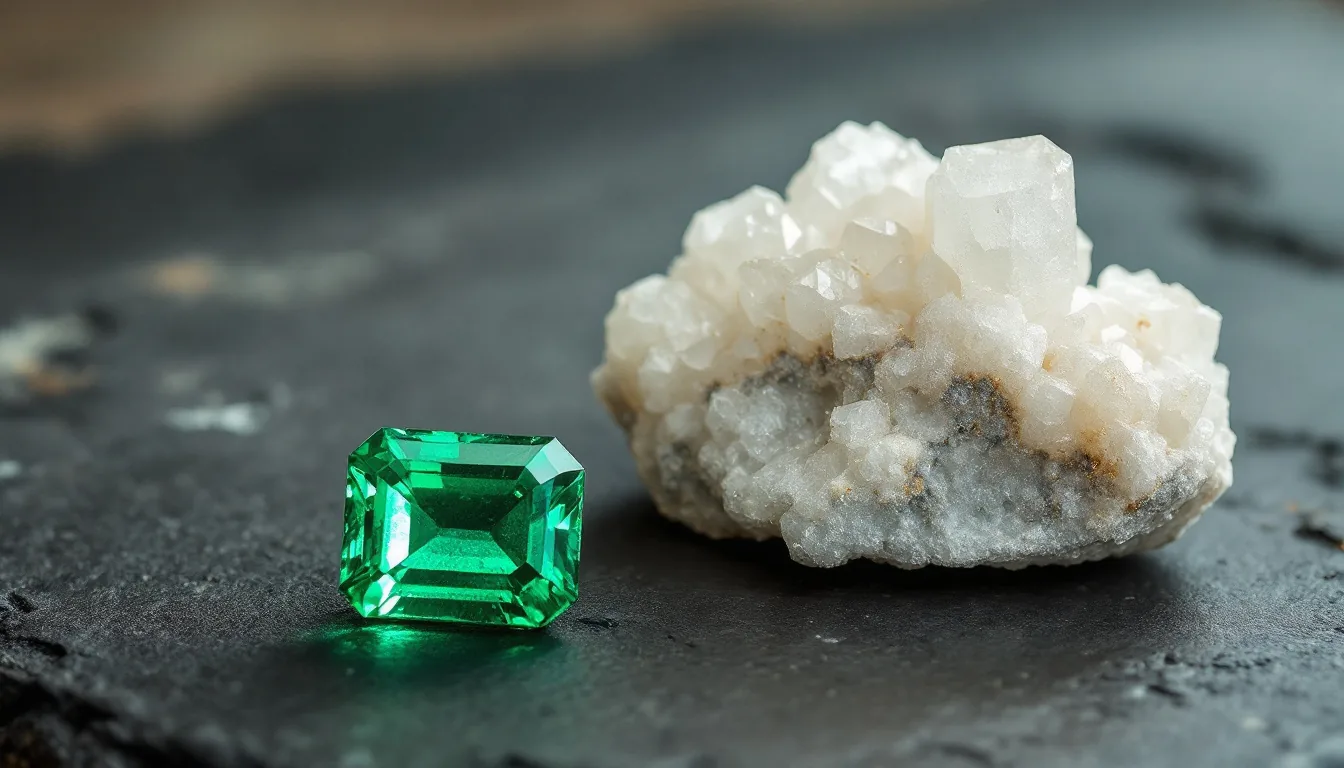
| May | Emerald | 7.5 to 8 | Soapy water only; no ultrasonic; avoid heat, which can damage fillers |
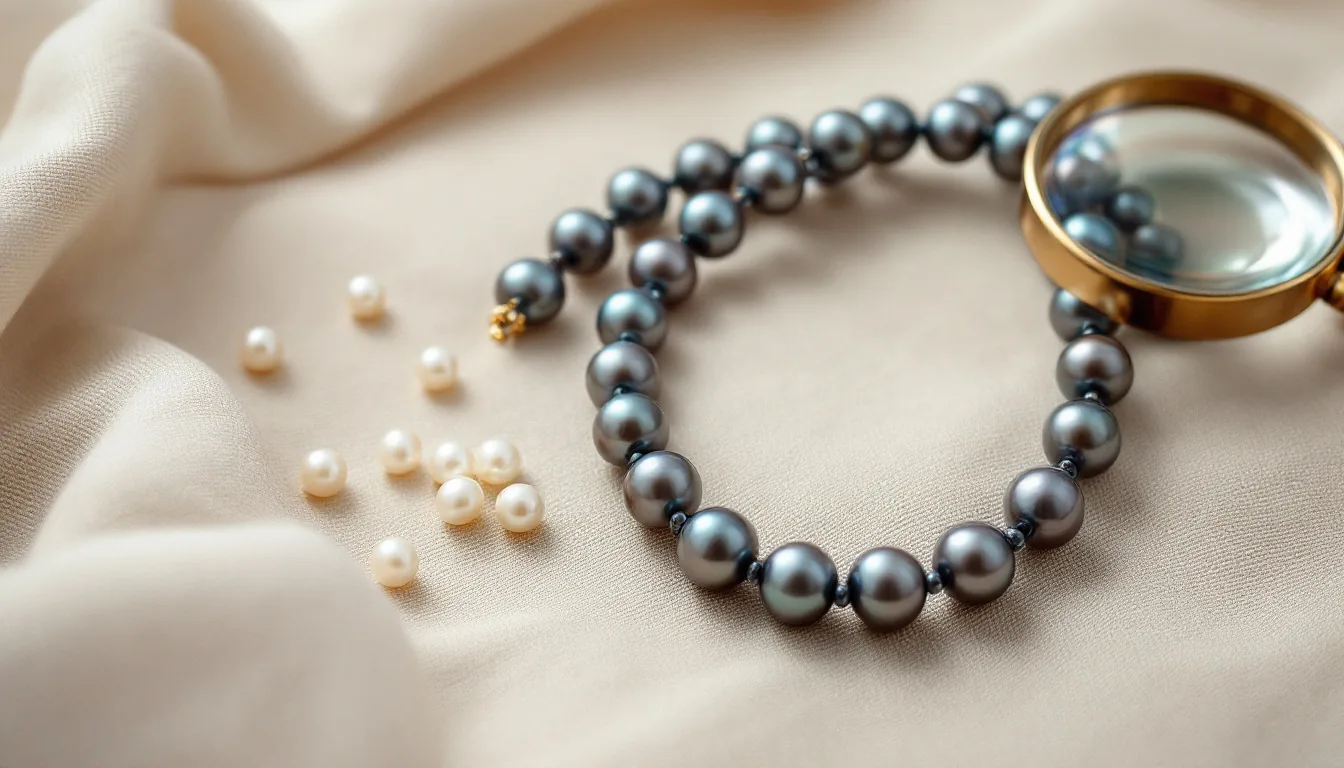
| June | Pearl | 2.5 to 3 | Wipe with a soft damp cloth after wearing; put cosmetics on first |
| June | Moonstone | 6 to 6.5 | Soapy water; no ultrasonic or steam; poor toughness |
| June | Alexandrite | 8.5 | Soapy water; ultrasonic and steam usually safe |
| July | Ruby | 9 | Soapy water; damp cloth only for glass-filled or dyed stones |
| August | Peridot | 6.5 to 7 | Soapy water; no steam or ultrasonic; not ideal for daily-wear rings |
| August | Spinel | 8 | Soapy water safest; ultrasonic and steam possible if no fractures |
| August | Sardonyx | 6.5 to 7 | Soapy water; caution with ultrasonic and steam |
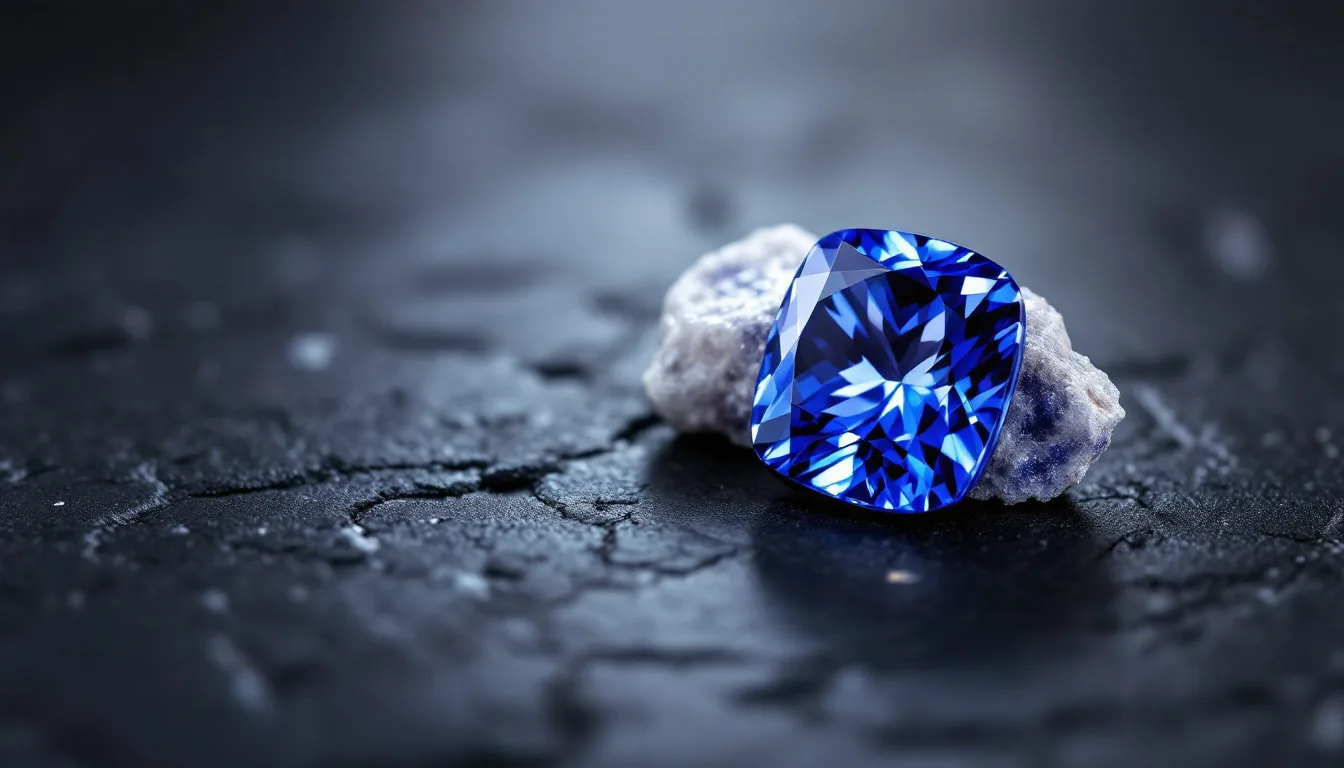
| September | Sapphire | 9 | Soapy water; damp cloth only for fracture-filled or dyed stones |
| October | Opal | 5 to 6.5 | Soapy water; no ultrasonic or steam; avoid soaking doublets and triplets |
| October | Tourmaline | 7 to 7.5 | Soapy water and a soft brush; no ultrasonic or steam |
| November | Topaz | 8 | Soapy water; no steam or ultrasonic; poor toughness, avoid heat shock |
| November | Citrine | 7 | Soapy water; ultrasonic usually fine; no steam |
| December | Turquoise | 5 to 6 | Soapy water only; keep from acids, cosmetics and skin oils |
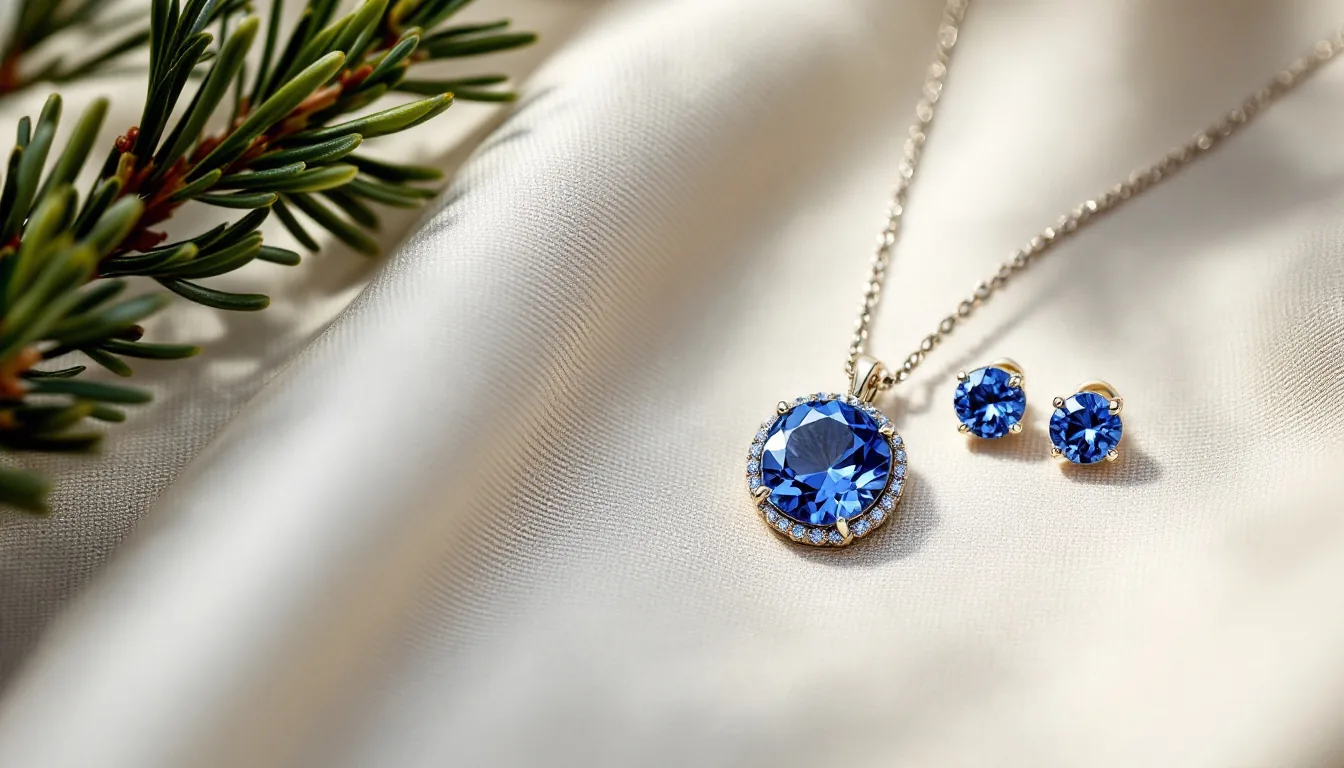
| December | Tanzanite | 6 to 7 | Soapy water; no ultrasonic or steam; better in earrings and pendants |
| December | Zircon | 6 to 7.5 | Soapy water; no ultrasonic or steam; abrades in rough wear |
“Soapy water” here means warm water with mild dish soap and a soft brush, which GIA treats as the safe default for nearly every stone. For method by stone and metal, see How to Clean Jewelry Safely.
How the list began
Birthstone traditions are old, but the list most American jewelers use is a trade standard. According to National Jeweler, the first official list was adopted in 1912 by the American National Retail Jeweler’s Association, which is now Jewelers of America.
Changes since then have been few:
| Year | Change |
|---|---|
| 1912 | First official US list adopted |
| 1952 | Alexandrite (June), citrine (November), tourmaline (October) and zircon (December) added |
| 2002 | Tanzanite added for December |
| 2016 | Spinel added for August, announced jointly by the American Gem Trade Association and Jewelers of America |
The story of the 2002 change is told in Tanzanite as a December Birthstone. No government body controls the list, and charts from different publishers or decades can differ, which is why some show only one stone for a month and others show three.
Months with more than one stone
Alternates exist mostly to give buyers a choice of color, hardness or price.
- March. Aquamarine, at 7.5 to 8, is durable enough for everyday wear in GIA’s view. Bloodstone is a little softer at 6.5 to 7 and should be kept from harsh chemicals and high heat.
- June. Pearl is the traditional choice but the softest stone on the list. Alexandrite, at 8.5, has what GIA calls excellent toughness and no cleavage, which makes it the sturdier June choice for a ring.
- August. Spinel, at 8, is harder than peridot and sardonyx. GIA says peridot cannot take hard wear and is not recommended for daily use in a ring.
- October. Opal is fragile and sensitive to heat; tourmaline, at 7 to 7.5, is generally suitable for everyday wear.
- November. Citrine has good toughness. Topaz is harder at 8 but has poor toughness, so it can chip or crack from a knock or sudden temperature change.
- December. All three stones are relatively soft. Turquoise and zircon are long-established; tanzanite is the newest addition.
Choosing a birthstone for everyday wear
Hardness is only part of the picture. GIA’s durability guide separates hardness (resistance to scratching), toughness (resistance to breaking and chipping) and stability (resistance to heat, light, chemicals and humidity), and advises reserving softer gems for occasional wear. The Gemstone Hardness guide explains all three.
Practical rules for birthstone jewelry:
- Rings take the most abuse. For daily-wear rings, the hardest and toughest options are diamond, ruby, sapphire, alexandrite and spinel.
- Pendants and earrings are low risk. Pearl, opal, turquoise, moonstone and tanzanite are better suited to them, or to rings worn on special occasions.
- Protective settings help. A bezel or a setting that sits the stone lower guards a softer gem better than tall prongs.
- Store separately. Harder stones scratch softer ones, so keep each piece in its own pouch or compartment.
Treatments and disclosure
Many birthstones are routinely treated. GIA notes that emeralds are often fracture-filled with oils, waxes or resins; that rubies and sapphires may be heated, diffusion-treated, glass-filled or dyed; that some garnets are fracture-filled; and that heat treatment is common for amethyst. GIA also warns that heat or solvents can damage the treated surfaces of turquoise. The treatment changes how the stone should be cleaned, so the care notes above assume the buyer knows what was done.
The FTC’s jewelry advertising guidance says sellers should disclose a treatment that is not permanent, that creates special care needs or that significantly affects value. Laboratory-created versions of birthstones such as ruby, sapphire and emerald must be described with a word such as “laboratory-created” or “laboratory-grown” before the gem name. This is a summary, not legal advice.
Common questions
Which birthstone list is official? In the US, the list maintained by the jewelry trade associations, first adopted in 1912 and expanded several times since, is the one most retailers follow. It has no legal standing.
Why is sardonyx on some August lists and not others? The American Gem Society lists peridot, sardonyx and spinel for August. GIA’s birthstone pages list peridot and spinel, while its August guide still gives care advice for sardonyx.
Is my birthstone safe in an ultrasonic cleaner? Only some are. Emerald, opal, moonstone, peridot, tourmaline, topaz, turquoise, tanzanite and zircon should not go in one according to GIA’s care advice, and any fractured, filled or dyed stone needs gentler cleaning.