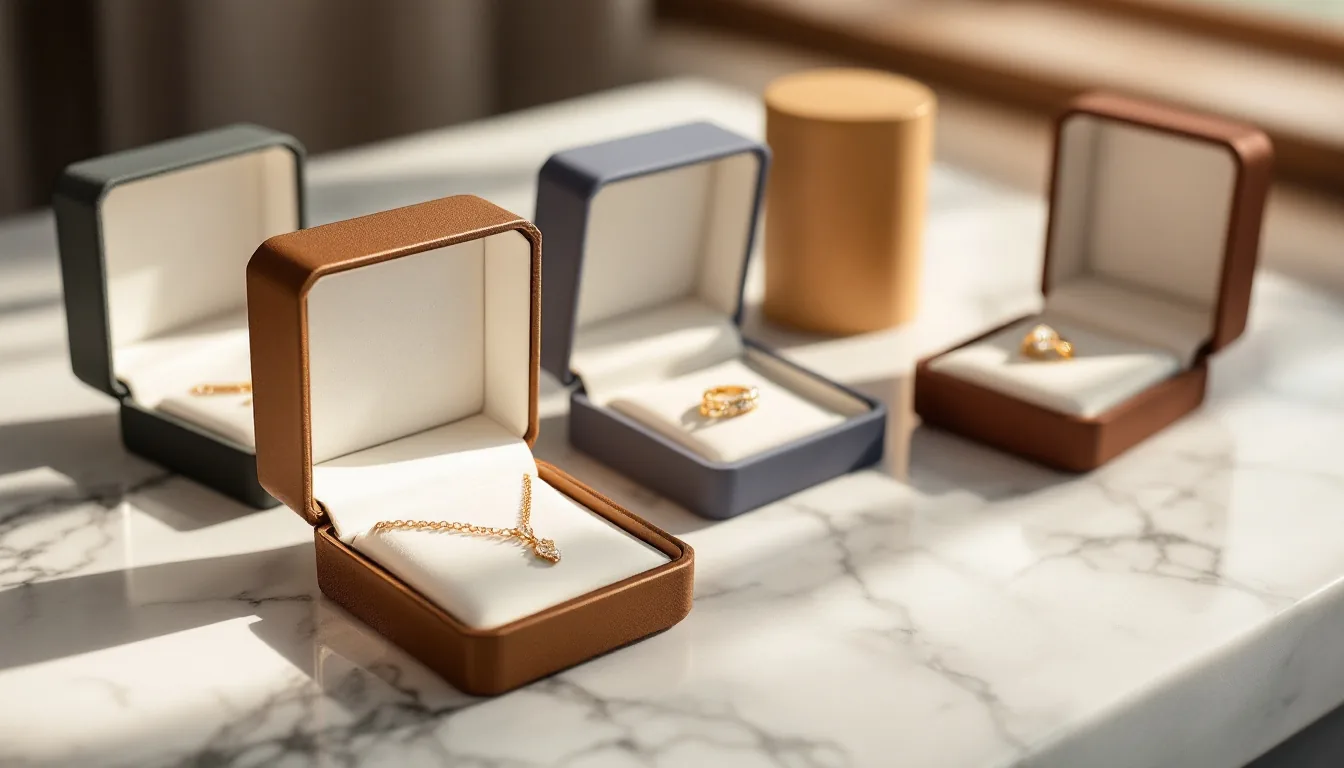
Boucheron: A History of the Place Vendôme House
Boucheron from its 1858 Palais-Royal shop to 26 Place Vendôme, its signature designs, the 2000 sale to Gucci Group and its place in Kering today.
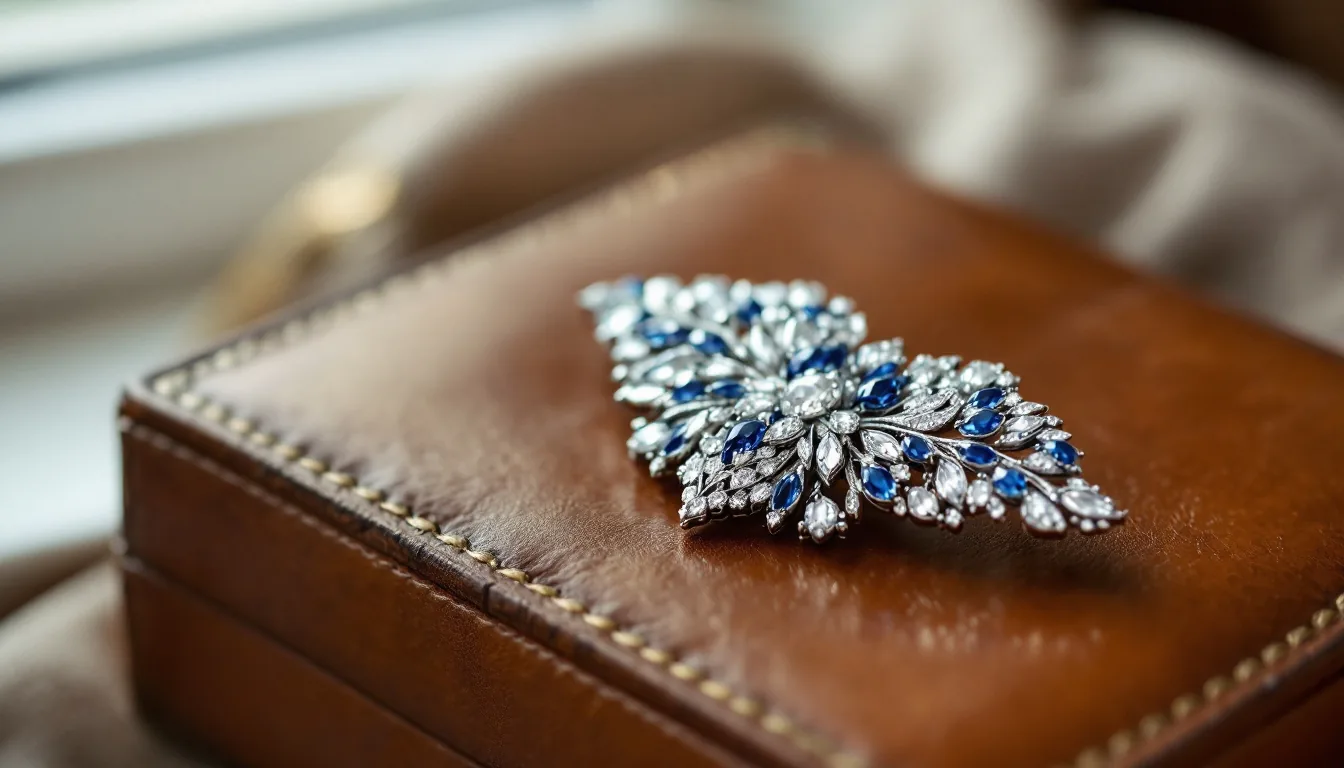
Boucheron is a Paris high-jewelry house founded by Frédéric Boucheron in 1858 under the arcades of the Palais-Royal. In 1893 it became the first of the great contemporary jewelers to open on Place Vendôme, where it still trades from No. 26. The family ran it for four generations; it passed to a Swiss holding company in the 1990s, was bought by Gucci Group in 2000 and is now one of the jewelry houses of Kering, the group formerly called PPR.
Timeline
| Year | Event |
|---|---|
| 1858 | Frédéric Boucheron opens at No. 150 Galerie de Valois, Palais-Royal |
| 1879 | The claspless Question Mark necklace |
| 1893 | Moves to the Hôtel de Nocé, 26 Place Vendôme |
| 1928 | The Maharaja of Patiala’s commission |
| 1930 | No. 26 listed as a historic monument |
| 1947 | Reflet watch with a patented invisible clasp |
| 1968 | Serpent Bohème collection |
| 2008 | 150th anniversary |
| 1994 | Schweizerhall Holding takes a majority stake |
| 2000 | Gucci Group buys Boucheron International |
| 2004 | Quatre ring launched; PPR completes its takeover of Gucci Group |
| 2011 | Claire Choisne becomes creative director; Inter Parfums fragrance license begins |
| 2018 | No. 26 reopens after renovation for the 160th anniversary |
Dates come from Kering, Boucheron’s own history pages and the press coverage cited below.
The Palais-Royal years
Kering describes the founder as a draper’s son whose ambition was to work precious materials as if they were fabric, so that a jewel would follow the body. According to Boucheron, he set up in 1858 at No. 150 Galerie de Valois, in the arcades of the Palais-Royal, and by 1892 had grown the shop from one arcade to four.
Kering counts the 1879 Question Mark necklace among his greatest innovations. It was, in the house’s account, the first necklace without a clasp, which Kering says gave women the freedom to put it on themselves. Boucheron presents it as an early statement of freedom in high jewelry.
The move to Place Vendôme
In 1893, while the leading Parisian jewelers clustered on the rue de la Paix, Frédéric Boucheron moved to Place Vendôme and invested in the Hôtel de Nocé at No. 26. The Comité Vendôme notes that he chose the sunniest spot on the square, at the corner with the rue de la Paix, so that daylight would show off his stones. Boucheron’s history adds that the Countess of Castiglione had owned an apartment in the building, which Frédéric Boucheron later made his personal office.
The building was listed as a historic monument in 1930. Under chief executive Hélène Poulit-Duquesne, who arrived in 2015, the house renovated it for its 160th anniversary and reopened it in late 2018.
Signature styles and notable creations
The Maharaja of Patiala’s order
The house’s most famous single commission arrived on August 2, 1928, when the Maharaja of Patiala came to Place Vendôme with guards carrying safes of gemstones. National Jeweler, reporting the house’s account, says Louis Boucheron designed 149 creations from them, including emerald and diamond collars, multi-strand pearl necklaces and gem-set belts. Boucheron describes it as the largest order ever placed on Place Vendôme, and it inspired the New Maharajahs high-jewelry collection that National Jeweler covered in 2022.
Signature lines
- Reflet (1947). A watch with a patented invisible clasp, which Boucheron presents as a jewel in its own right.
- Serpent Bohème (1968). A drop shape represents a snake’s head; Boucheron says it was originally paved with diamonds and crowned with gold beads.
- Quatre (2004). A ring that, according to Kering, combines four motifs taken from the archives.
High jewelry under Claire Choisne
Claire Choisne has been creative director since 2011. Kering says she designs two high-jewelry collections a year: Histoire de Style in January, drawn from the archives, and Carte Blanche in July, where she works freely. Some pieces use unusual materials, including aerogel, an ultralight translucent substance used by NASA to capture stardust, and Cofalit, a vitrified material made from industrial waste.
From family firm to luxury group
Schweizerhall and a perfume-heavy business
The Comité Vendôme says four generations of the founder’s direct descendants ran the house. According to Swissinfo, Schweizerhall, a Basel group trading in chemicals, bought a majority stake in 1994 and the remaining 49 percent in 1999, when Boucheron’s turnover was about SFr185 million. Fragrance was a large part of that: the trade magazine Europa Star reported that 57 percent of sales came from perfume and 43 percent from jewelry and watches.
The 2000 sale to Gucci Group
On May 23, 2000, Gucci Group N.V., then listed in New York and Amsterdam, announced an agreement with Schweizerhall Holding AG to acquire Boucheron International S.A. The press release put Boucheron’s budgeted revenue for 2000 at about US$85 million and set completion for June 30, 2000. Gucci presented the deal as part of its multi-brand strategy, arguing that jewelry and watches showed attractive growth and profits while the market remained fragmented. Its plans were to:
- Promote the Boucheron image internationally.
- Extend the jewelry and watch lines and move into other categories.
- Strengthen the design content of the range.
- Open directly operated stores in key luxury markets.
- Widen selective wholesale distribution.
The press release did not state a price, and reports at the time gave differing figures. Europa Star noted that Gucci also took over the licenses to make watches and jewelry under the Yves Saint Laurent name, previously held by Cartier International, so Boucheron was one part of a broader move into the category.
Gucci Group was itself contested territory. As JCK reported in 2001, Gucci had brought in Pinault-Printemps-Redoute (PPR) in 1999 to block a takeover attempt by LVMH, and PPR paid $3 billion for its stake. A 2001 settlement led to a $101.50-a-share tender offer in spring 2004, after which, according to PPR’s 2004 half-year results, PPR held 99.39 percent of Gucci Group and the shares were delisted. PPR later renamed itself Kering; its July 2013 releases describe the shares as “Kering (ex PPR).”
Fragrance licensing and Kering today
Perfume moved to a license model. In a December 2010 announcement filed with the SEC, Inter Parfums said it had signed a 15-year exclusive worldwide license for Boucheron fragrances starting January 1, 2011, replacing a license with L’Oréal ended by mutual consent. At that time Boucheron had more than 40 boutiques worldwide.
Kering now groups Boucheron with Pomellato, DoDo and Qeelin as its jewelry houses. In its 2025 results, Kering highlighted double-digit growth at Boucheron but did not give a separate revenue figure for the house. For how Boucheron fits into the wider consolidation of jewelry brands, see how luxury groups built their jewelry portfolios.
Common questions
Who owns Boucheron? Kering, the French luxury group formerly known as PPR. Boucheron joined Gucci Group in 2000, and PPR acquired almost all of Gucci Group in 2004.
Is Boucheron still on Place Vendôme? Yes. Its flagship is at 26 Place Vendôme, the Hôtel de Nocé, where it moved in 1893.
What is Boucheron’s most famous design? Historically, the claspless Question Mark necklace of 1879 and the 1928 Patiala commission. Among current lines, Boucheron presents Serpent Bohème as one of its icons, and Kering highlights the Quatre ring.
Further reading
- Kering: Boucheron
- Boucheron: A story of firsts
- Boucheron: Welcome to the Maison
- Gucci Group press release: Gucci Group acquires Boucheron International (23 May 2000), as published by Nove da Firenze
- Swissinfo: Swiss group sells luxury goods company (2000)
- Inter Parfums, Form 8-K exhibit: Inter Parfums and Boucheron sign fragrance license (21 December 2010)